How hard water affects your plumbing, appliances, and daily life, and how to know if a water softener is right for your home.
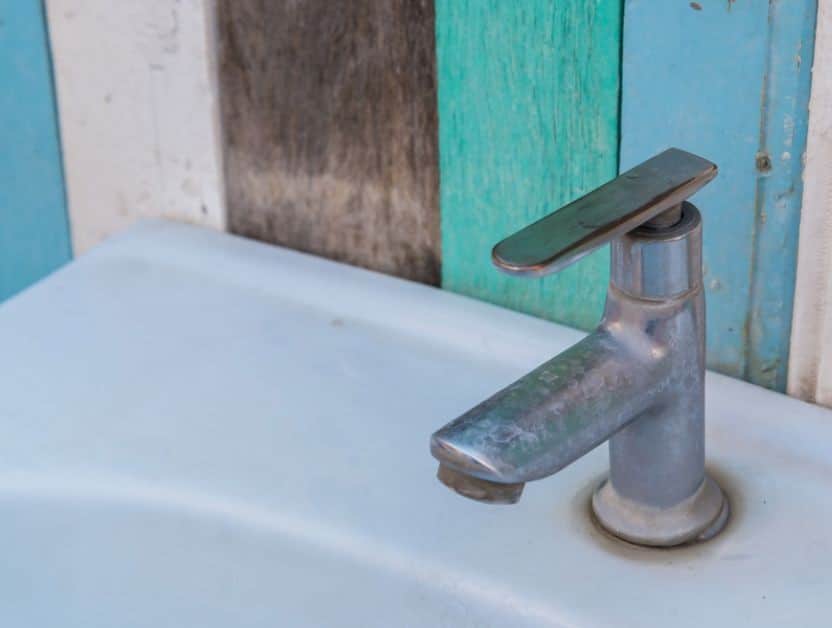
If you’re constantly cleaning water spots off your faucets, frustrated that your soap doesn’t lather very well, or wondering why your dishes never seem completely clean, your home’s water could be the culprit.
How Hard is the Water in Columbus?
Columbus, IN is known for having very hard water. In fact, most homes have water hardness in the 25-28 grains range, which is considered very hard. Homes served by Southwestern Bartholomew Water Corporation are typically closer to 14 grains, which is around the highest hardness level we generally recommend before considering a water softener.
What is Hard Water?
Hard water is simply water that contains higher levels of naturally occurring minerals, primarily calcium and magnesium. As water moves through underground layers of limestone and other rock, it picks up these minerals before reaching your home.
The good news is that hard water isn’t harmful to drink. In fact, the minerals it contains are naturally occurring and considered safe. The downside is what those minerals leave behind inside your plumbing system and on everything your water touches.
Over time, hard water minerals can build up inside your home in appliances and fixtures.
10 Signs You May Need a Water Softener
White buildup on faucets and showerheads
Cloudy dishes and glassware
Soap won’t lather
You’re constantly cleaning bathrooms and showers
Dry skin and dull hair
Your laundry doesn’t feel or look as clean or bright
Your water heater makes rumbling or popping noises
Your hot water doesn’t last as long
Plumbing fixtures are becoming harder to repair
Toilet parts are wearing out faster
Why Hard Water Costs More Than Most People Realize
Most homeowners notice the cosmetic effects of hard water first: water spots on fixtures, cloudy dishes, or mineral buildup around faucets. But the bigger cost of hard water often happens behind the scenes.
Over time, the same minerals that collect on your fixtures also build up inside your plumbing system and the appliances that use water. That extra buildup means more maintenance, more repairs, and ultimately more money out of your pocket.
One of the most common places we see this is inside water heaters. As minerals settle to the bottom of the tank, they take up space that should be holding hot water. We’ve removed countless water heaters over the years that were packed with mineral scale and noticeably heavier because they couldn’t drain completely. Besides making the water heater work harder, that buildup can reduce your available hot water, meaning shorter showers and less hot water for your family.
Hard water also takes a toll on plumbing fixtures. Mineral deposits build up inside faucets and shower valves, making repairs more difficult. In some cases, the buildup becomes so severe that a simple repair is no longer possible, leaving replacement as the only practical option.
Even the parts inside your toilet tank aren’t immune. Fill valves, flappers, and other moving components are constantly exposed to hard water, and mineral buildup can cause them to wear out sooner than expected. While these may seem like small repairs, they add up over the years.
The reality is that hard water doesn’t usually cause one major plumbing failure. Instead, it slowly increases the amount of maintenance your home requires. More maintenance means more service calls, more replacement parts, and more money spent keeping your plumbing system operating the way it should.
A water softener won’t eliminate every plumbing repair, but it can help reduce the mineral buildup that contributes to many of these common issues. For many homeowners, protecting their plumbing system is just as valuable as enjoying cleaner dishes, brighter laundry, and easier cleaning.
What About Tankless Water Heaters?
If you’re considering a tankless water heater, or already have one, water quality becomes even more important.
Unlike traditional tank-style water heaters, tankless units heat water as it flows through a compact heat exchanger. When hard water passes through that heat exchanger, mineral scale can build up over time. As the buildup increases, it can reduce efficiency, restrict water flow, and shorten the life of the unit if it’s not properly maintained.
That’s why Navien, the brand of tankless water heaters we install, strongly recommends using softened water in areas with hard water. If your water isn’t softened, they recommend more frequent maintenance and flushing of the unit to help remove mineral buildup and keep it operating efficiently.
Here in Columbus, where most homes have very hard water, we strongly encourage homeowners with tankless water heaters to consider a water softener. While it’s an additional investment, it can help reduce scale buildup, decrease maintenance needs, and help your tankless water heater perform the way it was designed to.
Whether you have a traditional water heater or a tankless model, reducing mineral buildup helps protect your investment and can save you money on maintenance over the life of the equipment.
Does Everyone in Columbus, IN Need a Softener?
No, not everyone.
While Columbus is well known for having hard water, whether a water softener makes sense for your home depends on several factors, including your water source, your home’s water hardness, and your personal preferences.
If your home is served by Columbus City Utilities or Eastern Bartholomew Water Corporation, chances are you have very hard water. In our experience, most homes are in the 25–28 grains per gallon range, and many homeowners choose to install a water softener to help reduce mineral buildup and protect their plumbing system.
Homes served by Southwestern Bartholomew Water Corporation typically have lower hardness, often around 14 GPG. While that’s still considered hard water, it’s around the highest hardness level where we generally don’t recommend a water softener unless you have other reasons for wanting one.
If your home is on a private well, water hardness can vary significantly from one property to the next. That’s why we recommend testing your water rather than making assumptions based on where you live.
There’s also the personal preference factor. Some homeowners love the benefits of softened water, including easier cleaning, better soap lather, brighter laundry, and less mineral buildup throughout the home. Others don’t mind living with hard water and simply accept the additional cleaning and maintenance that comes with it.
There’s no right or wrong answer. Our job isn’t to sell every homeowner a water softener, it’s to help you understand your water and make the decision that’s best for your home, your plumbing system, and your budget.
The Best Way to Know
The truth is, you don’t have to guess.
While many homes in the Columbus area have hard water, every home is a little different depending on your water provider, well, and plumbing system. The easiest way to determine whether a water softener would benefit your home is with a simple water hardness test.
At Lohmeyer Plumbing, we can test your water, explain the results in plain English, and help you understand what they mean for your home. If a water softener makes sense, we’ll recommend a system that’s properly sized for your household and water conditions. If it doesn’t, we’ll tell you that, too.
Our goal isn’t to sell you something you don’t need, it’s to give you the information you need to make the best decision for your home.
Have questions about your home’s water or wondering if a water softener is right for you? Contact Lohmeyer Plumbing today to schedule a water hardness test or speak with one of our plumbing professionals.