Buying a home is exciting, but it’s also one of the biggest financial decisions you’ll ever make. While a home inspection is an important part of the buying process, it’s worth remembering that a home inspector is a generalist. They know a tremendous amount about homes, but no one person can be an expert in every system.
Think of it this way: you wouldn’t expect an ear, nose, and throat specialist to perform heart surgery. Specialists exist for a reason.
The same is true when buying a home. If there are concerns about the plumbing, HVAC, electrical system, roof, or foundation, it can be well worth having a licensed professional evaluate that specific system before you close.
Not every home needs additional inspections. But when they do uncover an issue, they can save you thousands of dollars, or give you valuable information for negotiations before you buy.
At Lohmeyer Plumbing, our goal isn’t to sell you something you don’t need. Our goal is to help you understand the plumbing system you’re about to own so there are fewer surprises after moving day.
1. Don’t Skip the Sewer Line Inspection
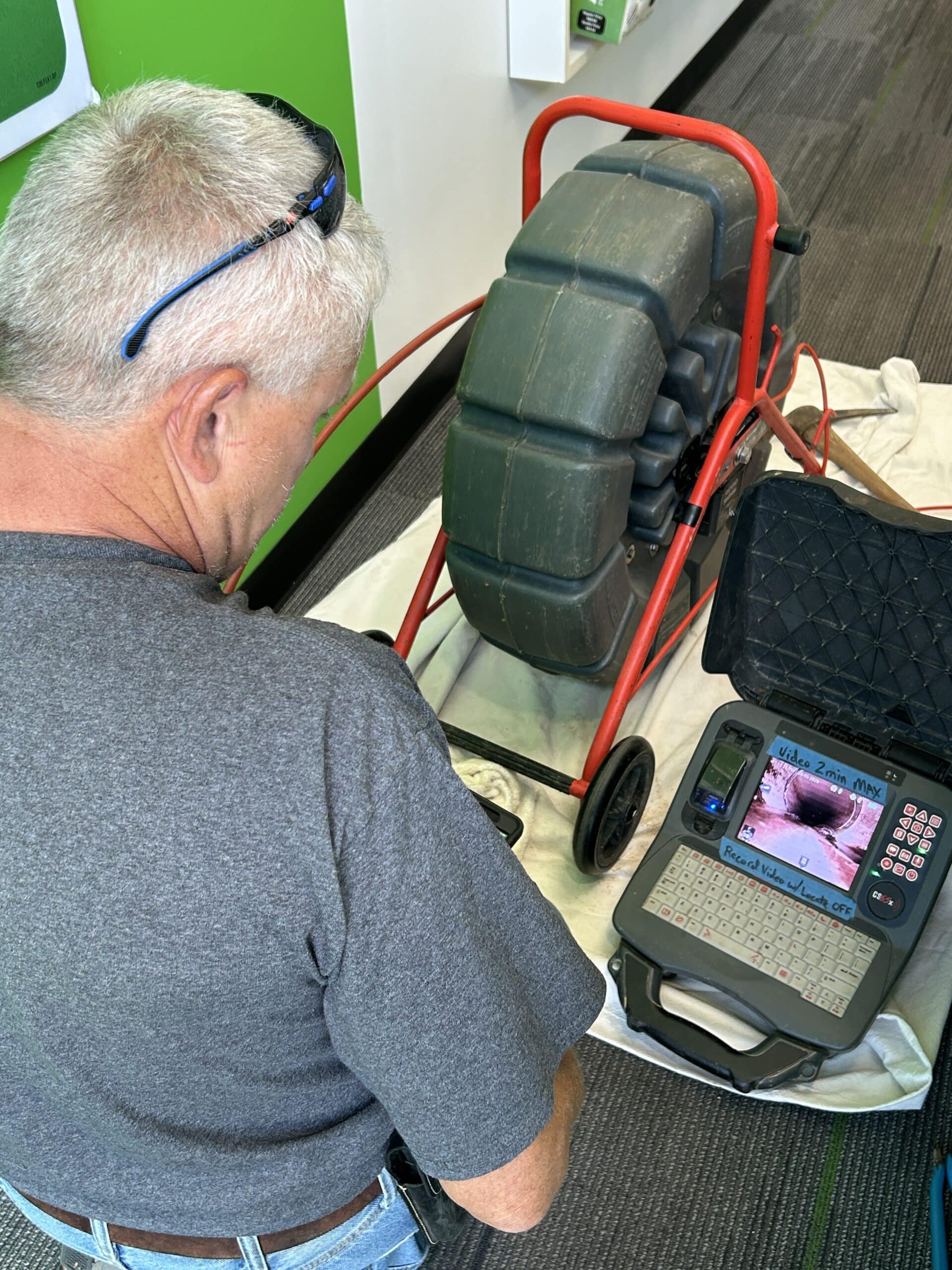
If there’s one plumbing inspection we wish more homebuyers would invest in, it’s a sewer camera inspection.
A standard home inspection typically does not include a camera inspection of the sewer line. That means one of the most expensive systems on your property often goes completely unevaluated before closing.
Unfortunately, we’ve seen this story many times.
A family buys their dream home, moves in, and a month or two later the sewer backs up. A camera inspection reveals tree roots, separated joints, a collapsed section of pipe, or deteriorated sewer piping that had likely been developing for years. Suddenly, the new homeowner is facing a repair that may cost $5,000 or more. In some situations, sewer line replacement can exceed $15,000, depending on the location and condition of the pipe.
Compared to the cost of purchasing a home, a sewer camera inspection is a relatively small investment that can provide tremendous peace of mind.
Sometimes the sewer line looks great. Sometimes you discover repairs that should be addressed immediately. Other times, you simply learn about a condition that may need attention several years down the road, allowing you to plan instead of being surprised.
Any of those outcomes are valuable.
2. Look for Signs of Existing Water Damage
Water damage is often a symptom of a plumbing problem, either past or present.
Pay close attention to:
- Basement walls and floors
- Under kitchen and bathroom sinks
- Around toilets
- Around the water heater
- Ceilings below bathrooms
- Around tubs and showers
Fresh paint or repaired drywall isn’t automatically a concern, but it’s worth asking why the repair was made.
3. Know Where the Main Water Shut-Off Valve Is
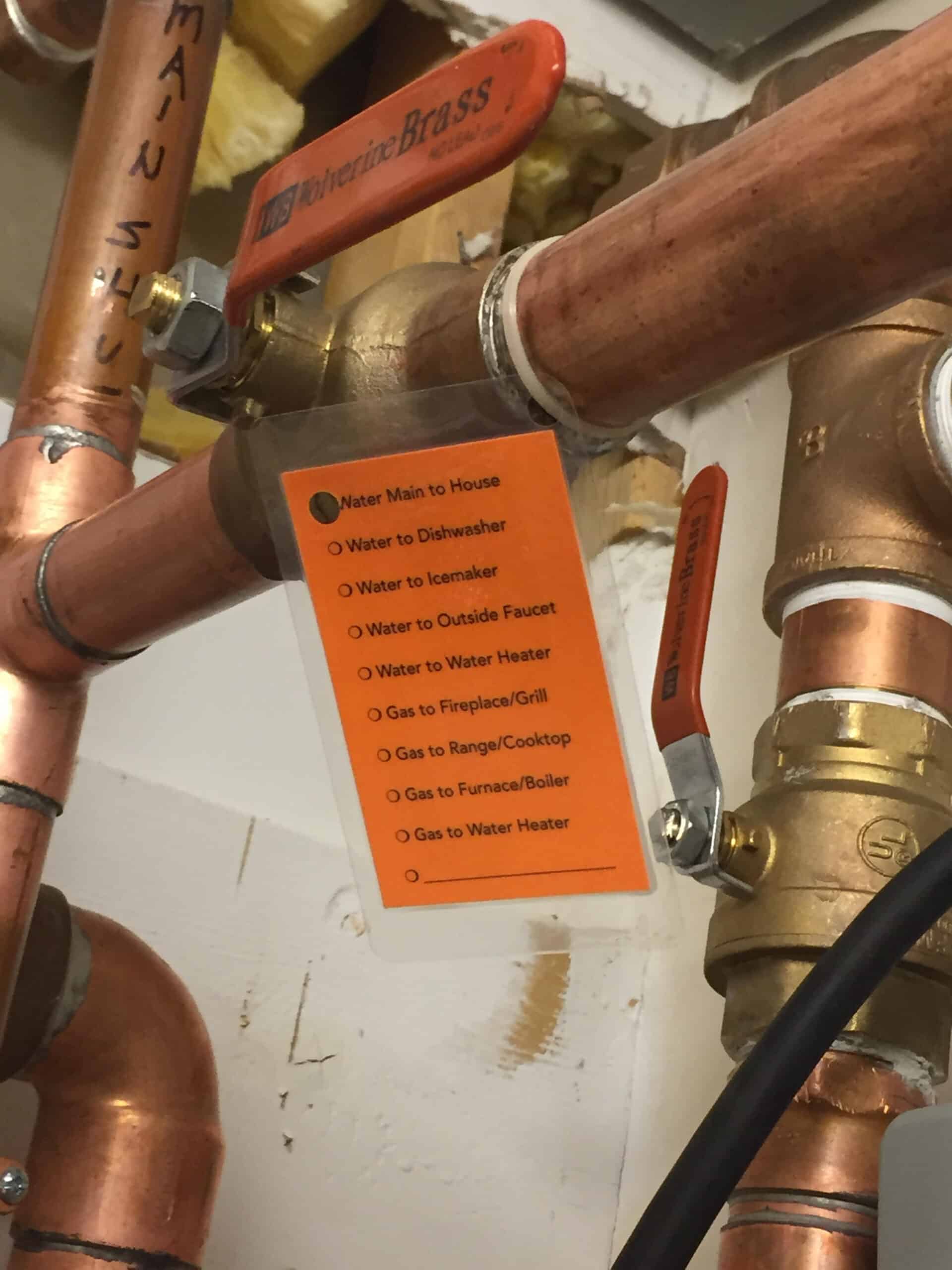
Every homeowner should know exactly where the main water shut-off valve is located.
Better yet, know how to use it.
During a plumbing inspection, we’ll point it out, tag it for you, explain when you’d need to use it, and even have you operate it yourself if you’d like. If a pipe ever bursts, knowing how to shut off the water quickly can dramatically reduce water damage.
It’s a simple thing that many first-time homeowners have never been shown.
4. Understand Your Water Heater
A water heater isn’t something most people think about until they don’t have hot water.
Before buying a home, find out:
- How old is it?
- Is it gas or electric?
- Tank or tankless?
- Are there signs of corrosion or leaking?
- Is it installed according to current safety standards?
Even if it’s working perfectly today, knowing its approximate age helps you budget for future replacement.
5. Know Whether You Have a Sump Pump or a Sewage Pump
Many homeowners don’t realize there’s a difference.
A sump pump removes groundwater from around your home’s foundation to help keep the basement dry. A sewage pump moves wastewater from plumbing fixtures located below the home’s main sewer line, such as a basement bathroom or laundry room.
If you’ve never owned a home with either system, we’ll explain what it does, where it’s located, and what maintenance it requires. Many homeowners don’t discover they have a sewage pump until it stops working. We’d much rather you know about it before that happens.
6. Test Every Plumbing Fixture
Turn on every faucet and flush every toilet.
Check for:
- Low water pressure
- Slow drains
- Leaks beneath sinks
- Dripping faucets
- Toilets that rock or continue running
- Outdoor faucets that leak or don’t operate properly
These may be simple repairs, or they may indicate larger plumbing concerns.
7. Inspect Showers and Tubs Carefully
Don’t just look at the plumbing fixtures.
Check for:
- Loose or cracked tile
- Missing grout or caulk
- Water stains on ceilings below
- Mold or mildew
- Shower doors that leak
Sometimes water damage isn’t caused by leaking plumbing at all, it’s simply water escaping around the shower enclosure.
8. Ask About Water Quality and Water Treatment
If the home is on a private well, ask whether recent water quality testing has been completed.
If it’s on city water, determine whether the home has:
- A water softener
- A whole-house water filter
- Other water treatment equipment
If a water softener is installed, ask about its age, condition, and maintenance history.
9. Don’t Forget About Irrigation Systems
A sprinkler system can be a wonderful feature, but it also comes with ongoing maintenance that many first-time homeowners don’t expect. If you’ve never owned a home with an irrigation system, you may not realize that it typically needs to be professionally winterized each fall to help prevent freeze damage.
Many local water utilities also require annual backflow testing before the irrigation system is used each season.
Ask the seller:
- Has the sprinkler system been winterized every year?
- Are all zones operating properly?
- Has the required backflow testing been completed annually?
- Are maintenance records available?
Knowing these responsibilities ahead of time can help you avoid unexpected repairs and annual maintenance costs.
10. Pay Attention to the Small Things
Small details often tell you how well a home’s plumbing has been maintained.
Look for:
- Working shut-off valves under sinks and toilets
- Washing machine hoses in good condition
- Visible leaks around plumbing fixtures
- Proper gas piping connections
- Floor drains
- Downspouts that discharge away from the home’s foundation
None of these items alone may be a deal breaker, but together they provide a clearer picture of the overall condition of the plumbing system.
Especially Helpful for First-Time Homebuyers
Buying your first home comes with a steep learning curve.
Many first-time homeowners simply don’t know what they don’t know, and that’s completely normal.
A plumbing inspection isn’t just about finding problems, it’s an opportunity to learn about your new home.
We’ll show you where the main water shut-off valve is located. We’ll explain whether you have a sump pump or a sewage pump and how each one works. We’ll point out your water heater, water softener, and other plumbing equipment, explain what maintenance is recommended, and answer any questions you have.
Our goal is for you to leave feeling more confident about the home you’ve purchased.
Knowledge Is One of the Best Investments You Can Make
A home inspection is an important step in the buying process, but sometimes it’s worth bringing in a specialist for a closer look at a particular system.
Whether that’s a plumber, electrician, HVAC contractor, roofer, or another licensed professional, having the right expert evaluate the right system can help you make a more informed decision before closing.
At Lohmeyer Plumbing, we believe an educated homeowner is a confident homeowner.
Sometimes we’ll tell you everything looks great. Sometimes we’ll identify repairs that should happen soon. Sometimes we’ll point out items that can safely wait for a few years while you budget for them.
Our goal isn’t to create unnecessary work, it’s to help you understand the plumbing system you’re buying so there are fewer surprises after you move in.
After all, the best time to learn about your home’s plumbing is before it becomes an emergency.