
A sewer backup can be one of the most stressful plumbing problems a homeowner faces. Toilets stop flushing, drains won’t empty, and wastewater may begin backing up into your home.
If you’re dealing with a sewer backup, don’t panic. Taking the right steps early can help minimize damage and make the repair process go much more smoothly.
Here’s what we recommend.
Step 1: Stop Using Water
If you believe your main sewer line is backing up, stop using water as much as possible until the problem is resolved.
Every gallon of water that goes down a drain has to leave your home through the sewer line. If that line is blocked, continued water use can make the backup much worse.
Until the sewer line has been opened, avoid:
- Taking showers
- Running the washing machine
- Running the dishwasher
- Flushing toilets unless absolutely necessary
- Using large amounts of water at sinks
Reducing water usage can often help prevent sewage from backing up into additional fixtures or onto your floors while you’re waiting for service.
Step 2: Consider Whether the Problem Could Be on the City’s Sewer Line
While most sewer backups originate on the homeowner’s side of the sewer line, that’s not always the case.
If several homes in your neighborhood are experiencing similar issues, or if you suspect the blockage may be in the city sewer, it may be worth contacting your local utility provider before scheduling service.
Occasionally we arrive and discover the problem isn’t on the homeowner’s sewer line at all, it’s on the municipal side, which is typically the responsibility of the utility.
If you’re unsure, give us a call. We’re happy to help you determine the best first step.
Step 3: Call Lohmeyer Plumbing
When you call, we’ll ask a few questions to help us understand the situation and prepare for the visit.
One of the first questions we’ll ask is whether your home has an accessible sewer cleanout. A cleanout gives us direct access to the main sewer line and is usually the quickest and easiest way to clear a blockage.
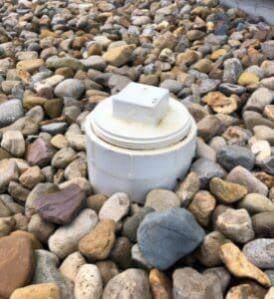
If your home doesn’t have a cleanout, don’t worry. In many cases, we can access the sewer line by temporarily removing a toilet.
Knowing this before we arrive helps us bring the right equipment and allows us to get to work more efficiently.
What Happens When We Arrive?
Our first priority is getting your sewer line flowing again.
If the line is blocked, we need to clear it before we can properly evaluate what’s happening inside the pipe. Many homeowners assume we can simply run a camera into a clogged sewer line, but that’s usually not possible. If the line is full of wastewater, roots, or debris, the camera can’t provide a clear picture of the condition of the pipe. That’s why we typically begin by cleaning the sewer line first.
Once the line is open, we can determine whether additional inspection makes sense.
Why We Often Recommend a Sewer Camera Inspection
Even if this is your first sewer backup, we frequently recommend a sewer camera inspection after the line has been cleaned.
A camera inspection gives us, and you, a much better understanding of the condition of the sewer line. Sometimes the news is great. The line is completely open, and there’s no sign of a larger issue.
Other times, we discover something that explains why the backup occurred, such as:
- Tree roots entering the pipe
- A cracked or broken sewer line
- A low spot (belly) collecting waste
- Heavy buildup inside the pipe
- A section that’s beginning to fail
Knowing what’s happening inside the line gives homeowners peace of mind and helps avoid surprises later. It also helps prevent a frustrating situation where the sewer backs up again a few weeks later and everyone is wondering whether the original cleaning should have solved the problem. By understanding the condition of the sewer line from the beginning, we can explain what to expect and recommend the solution that makes the most sense for your home.
Does a Sewer Backup Mean I Need a New Sewer Line?
Absolutely not.
In fact, many sewer backups can be resolved with professional cleaning, routine maintenance, or a localized repair. Even if a camera inspection reveals tree roots or minor damage, replacement isn’t always necessary.
At Lohmeyer Plumbing, we don’t believe in recommending major repairs unless they’re truly needed. If we believe your sewer line has years of useful life remaining, we’ll tell you. If annual Root-X treatments or a repair are likely to solve the problem, we’ll explain that too. And if replacement really is the best long-term investment, we’ll show you why so you can make an informed decision.
If Sewer Repair or Replacement Is Needed
If your sewer line does require additional work, you won’t have to coordinate everything yourself.
Our team regularly handles:
- Sewer camera inspections
- Sewer line repairs
- Complete sewer replacements
- Utility locates
- Required permits
- Coordination with excavators
- Communication throughout the project
Sewer work can feel overwhelming, but it’s something we do on a regular basis. We’ll explain the process, answer your questions, and help you understand exactly what to expect.
Here’s further information on What to Expect During Your Sewer Line Repair or Replacement
What If It’s Raining?
Safety always comes first.
Our sewer cleaning equipment is electrically powered, so during periods of heavy rain or active thunderstorms there may be times when it isn’t safe to operate the equipment outdoors.
If severe weather temporarily delays service, we’ll let you know and get your sewer line cleared as soon as conditions are safe.
The Bottom Line
If your sewer is backing up, the most important thing you can do is stop using water and have the problem evaluated as soon as possible.
Our first goal is to restore flow by opening the sewer line. From there, we can determine whether a sewer camera inspection is appropriate and help you understand the overall condition of your sewer line.
Whether the solution is simply cleaning the line, ongoing maintenance, a repair, or a replacement, we’ll explain your options honestly and recommend the same solution we’d recommend to our own friends and family.